
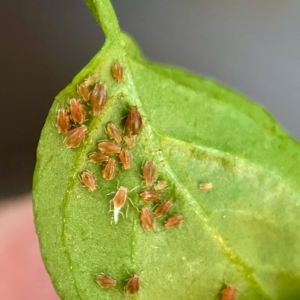

for most of the productive season I had almost no aphids bothering my plants. But as soon as the cold set in, so did an invasion of these tiny creepers – mostly on my chilli peppers and roses.

Aphids are sap-sucking insects that thrive in cool, sheltered microclimates. Unfortunately, that’s exactly the kind of environment my rooftop chillies enjoy in September and October. To my dismay, I’ve learned that aphid colonies can survive and even reproduce throughout winter as long as temperatures stay mild or plants sit near warm walls, balconies or light-sheltered corners.
What Do Aphids Actually Do?
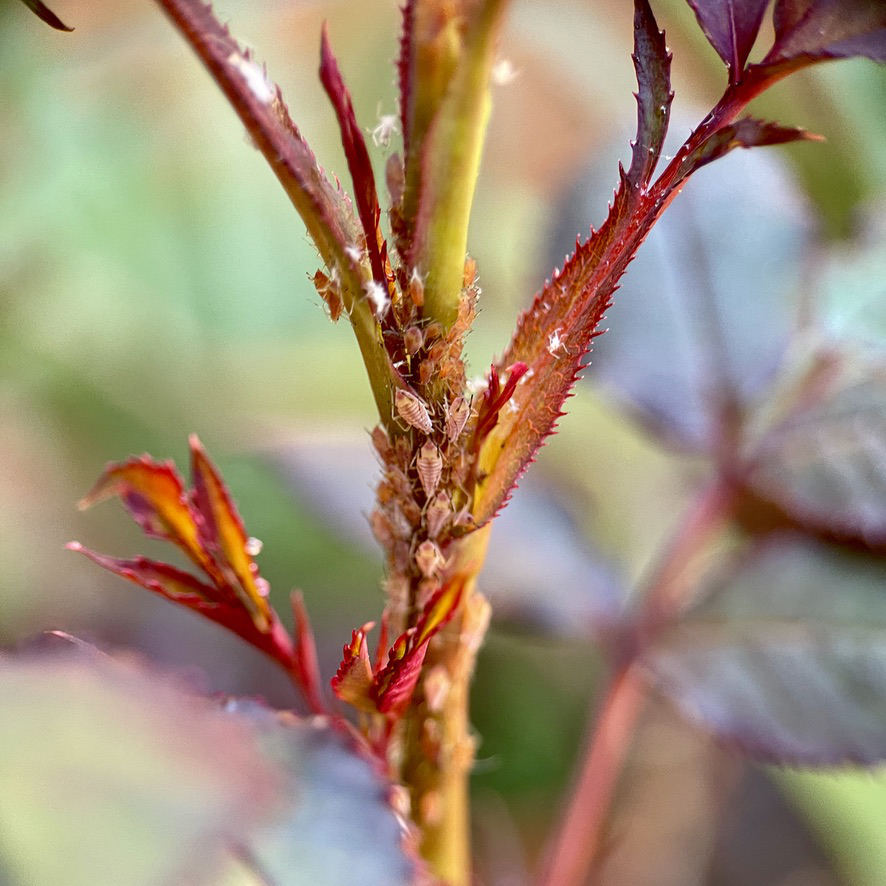
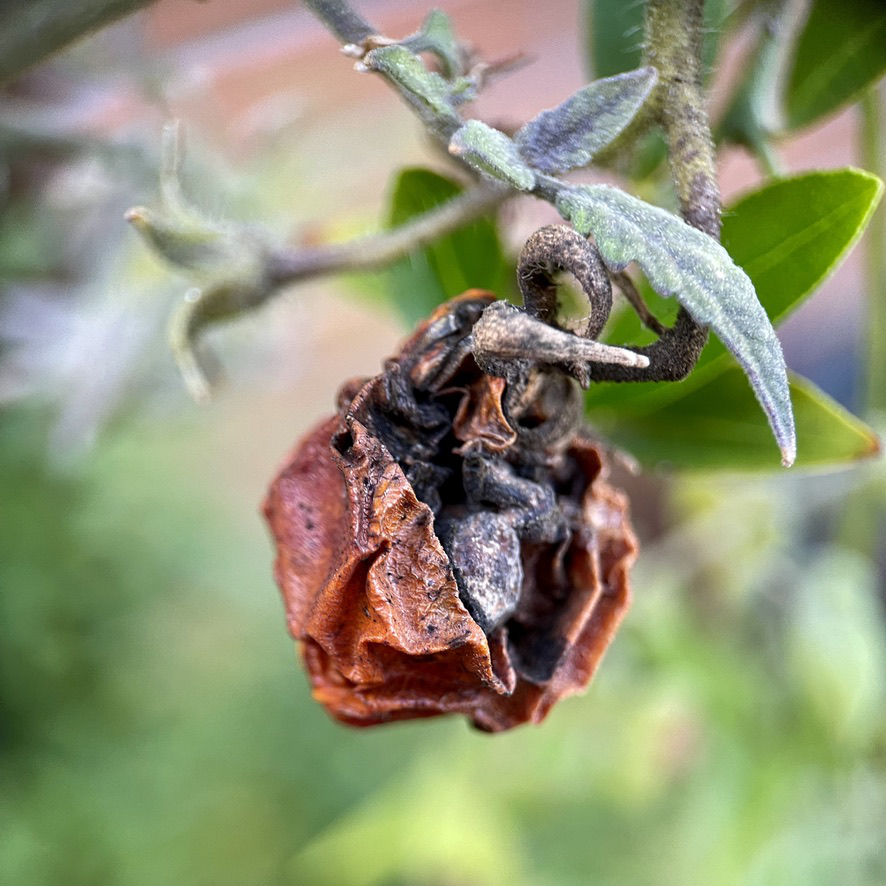
Aphids pierce plant tissue and feed on sap, which leads to distorted young leaves, curled and weakened shoots, and stunted, stressed new growth, their favourite hiding place. Although they rarely kill plants, they can transmit viruses (such as the CMV – Cucumber Mosaic Virus) particularly to strawberries, cucurbits and tomatoes.
Their feeding also produces sticky honeydew, which later grows black sooty mould — a classic sign of aphid activity that further weakens the plant. Importantly, where there is honeydew, there are ants. Ants “farm” aphids for this sugary resource and defend them from predators. If you notice intense ant activity on your rooftop, follow the ants… you’ll usually find an aphid farm plant at the end of the trail.
= Important note =
Aphids are an important part of natural ecosystems and serve as food for many beneficial species. They don’t need to be eliminated simply because they are considered pests. In natural environments, predator–prey relationships tend to stabilise on their own. On a rooftop, however, that balance rarely exists — at least not until the ecosystem has matured and I’ve managed to “stabilise” it with enough resident predators.
How Are They Surviving Winter on My Rooftop?
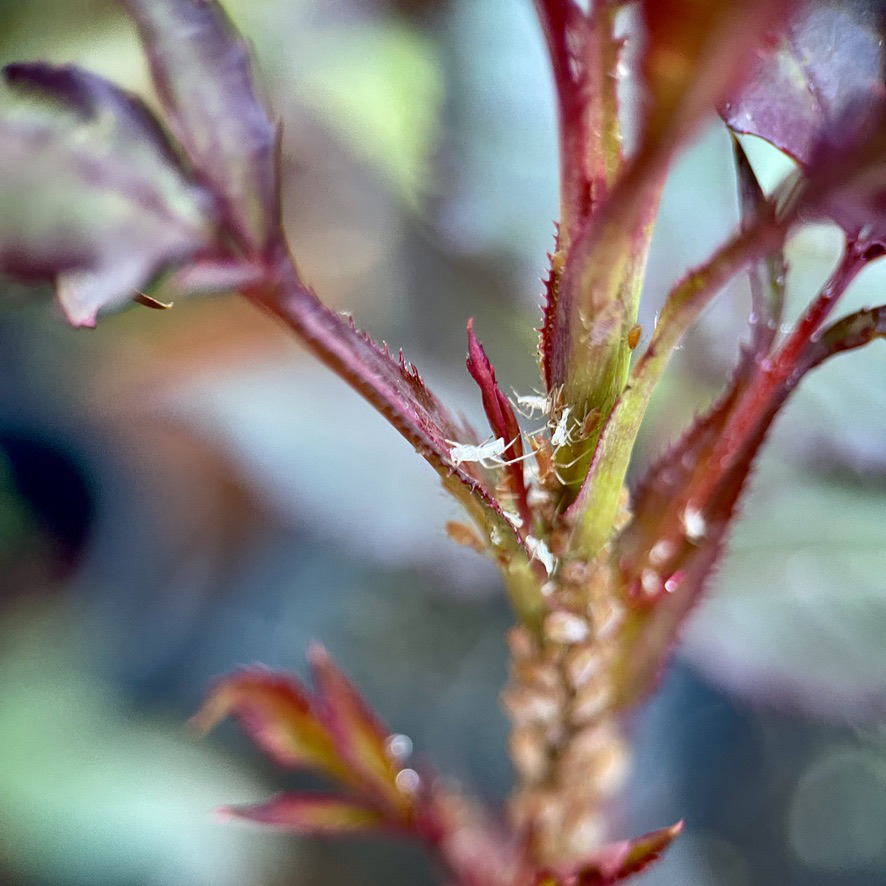
According to the RHS, aphids overwinter as active adults, in mild or sheltered areas. Some species even remain active year-round indoors or inside greenhouses. I realized that winged adults disperse by depositing nymphs on leaves and stems before flying away. The nymphs feed and reproduce without mating and give birth to live young aphids through parthenogenesis. Thus, a single colonising female can produce 40–60 daughters, each capable of reproducing again within 7–10 days, depending on weather and food availability. This exponential reproductive cycle explains why aphids seemed to “appear” overnight.
= Rooftop Note =
Something else I realised: part of this winter outbreak was simply the absence of predators. My rooftop ecosystem is normally kept in check by spiders, hoverflies and other tiny guardians, but many of them slow down or disappear as temperatures fall. With fewer eyes (and legs) on patrol, the aphids had the perfect window to settle in unnoticed. A good reminder that winter isn’t the time to drop our vigilance — sometimes it’s when pests feel the boldest.
My First Attempts at Rooftop-Friendly Aphid Management
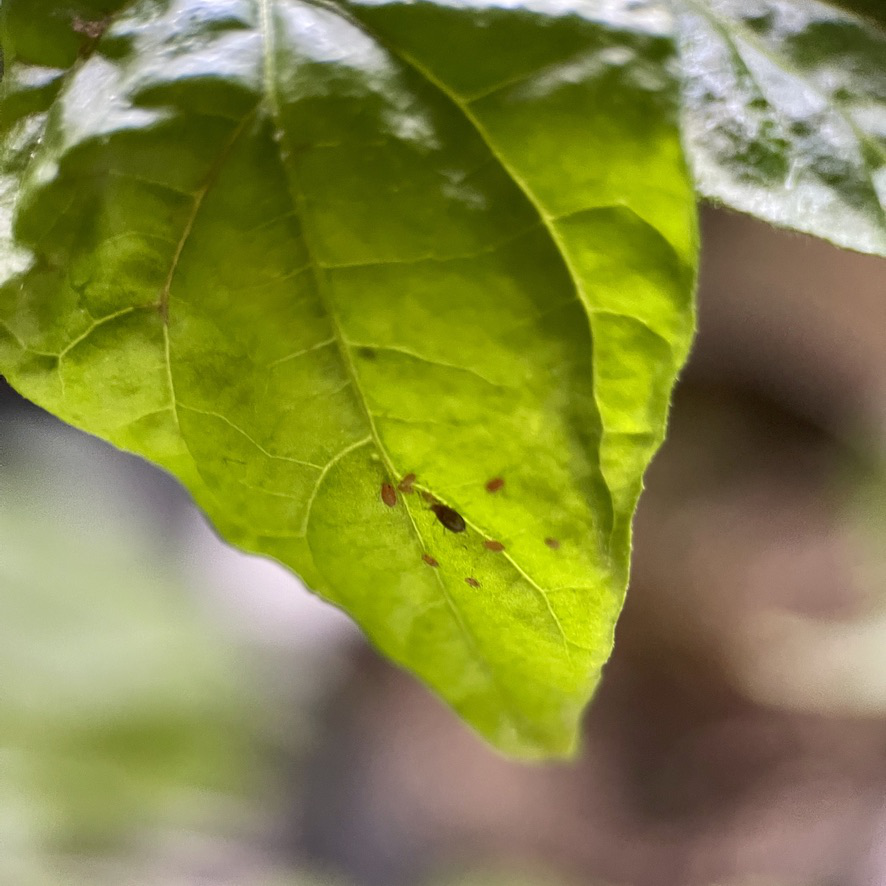
Manual Removal
My first approach was simply squishing them by hand — under leaves, along stems, and in new growth. I realise this only works when you have a limited number of infected plants and the patience to inspect them thoroughly (summer holidays helped).
I later noticed that aphids drop to the soil when threatened—they likely just climb back up later… I didn’t stay around to check —so I started tilting each pot before hand-removal.
Ant Management
In my case, ants weren’t the issue — they were fully occupied with the strawberries. But if your ants are active on your chillies, you must deal with them, or you’ll never eliminate aphids. I’ll leave dealing with ants for a future post as I’m focusing on a pest at the time.
Physical Barriers
I chose not to use glue bands or sticky traps on stems, as I don’t want to catch other species. However, I am considering applying a single glue ring around the lower part of the main woody trunk next year to block pests climbing from the soil upwards, while keeping upper branches safe for resident beneficials.
Natural Predators
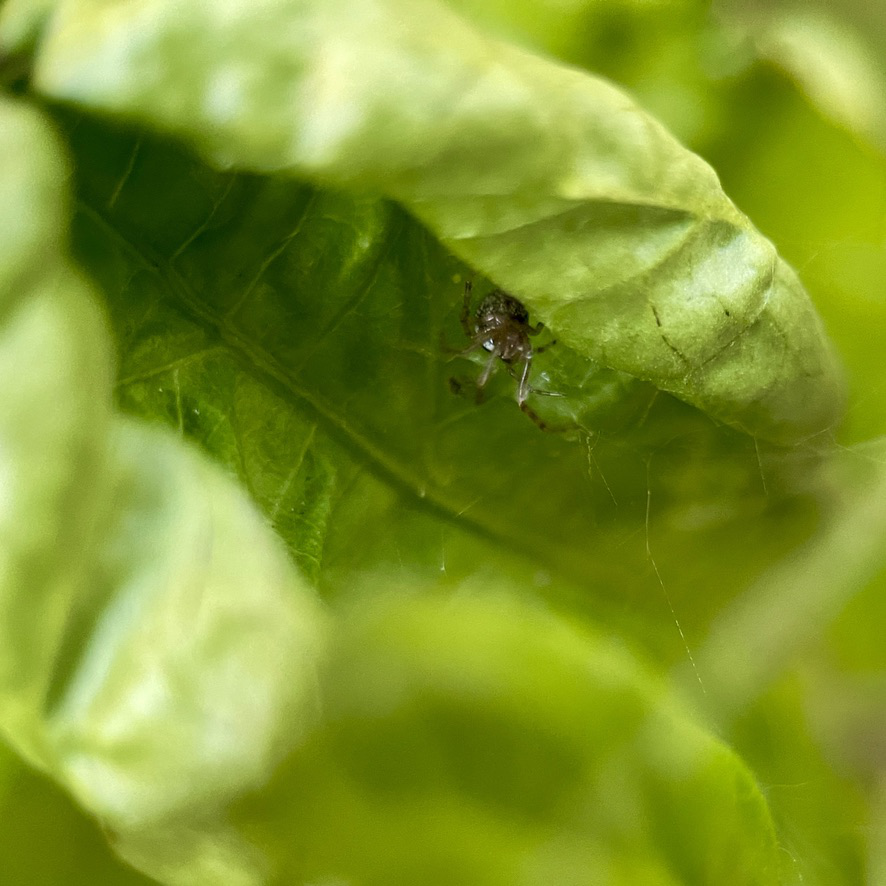
Besides my loyal Rooftop Spider Army—that does a wonderful job, thank you—other beneficials such as lacewings, ladybirds, and parasitic wasps can be encouraged — but this requires planning early in the season. There is also the option to buy these, I didn’t buy beneficial insects this year because I wasn’t sure I had enough prey to sustain them. Perhaps next spring, it’s in my notes
The Hot Neem Blend
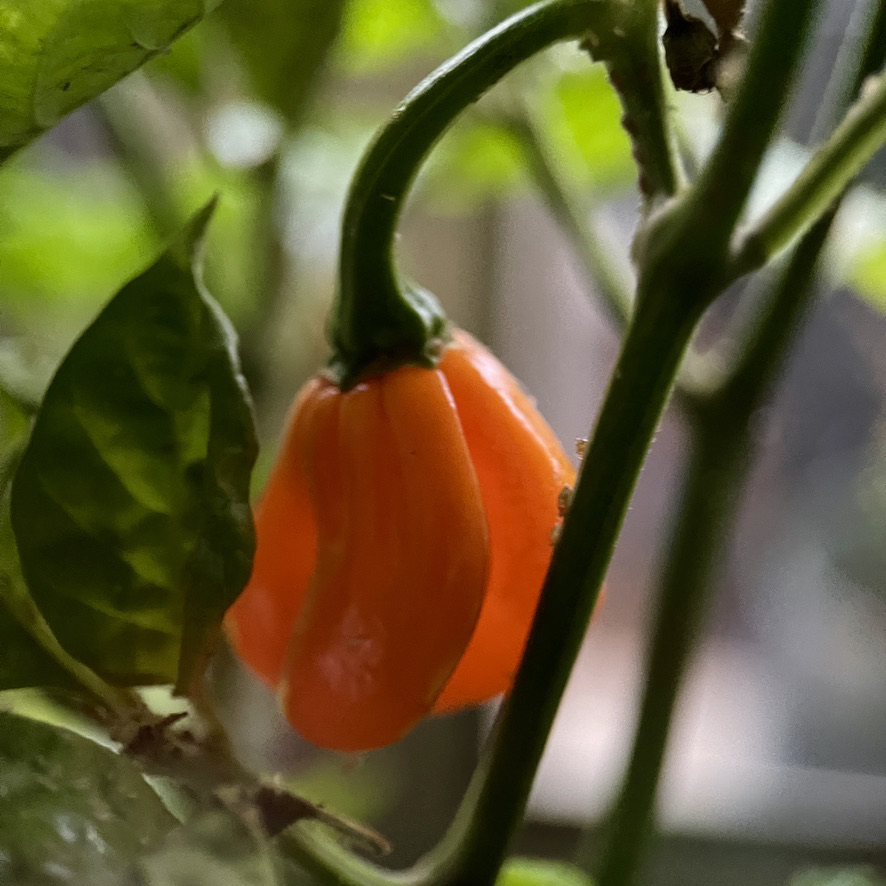
My second strategy — and one that worked surprisingly well for weeks — was spraying my homemade spicy neem mixture every 7–10 days, always late in the afternoon.
I’d first give the plants a couple of light sprays to warn my sentinel spiders (who can be seen politely walking away), and then drench the underside of leaves and stems. I kept each treated plant isolated for a day or two. As far as I can tell, it didn’t disturb my spiders or pollinators but kept aphid numbers down significantly.

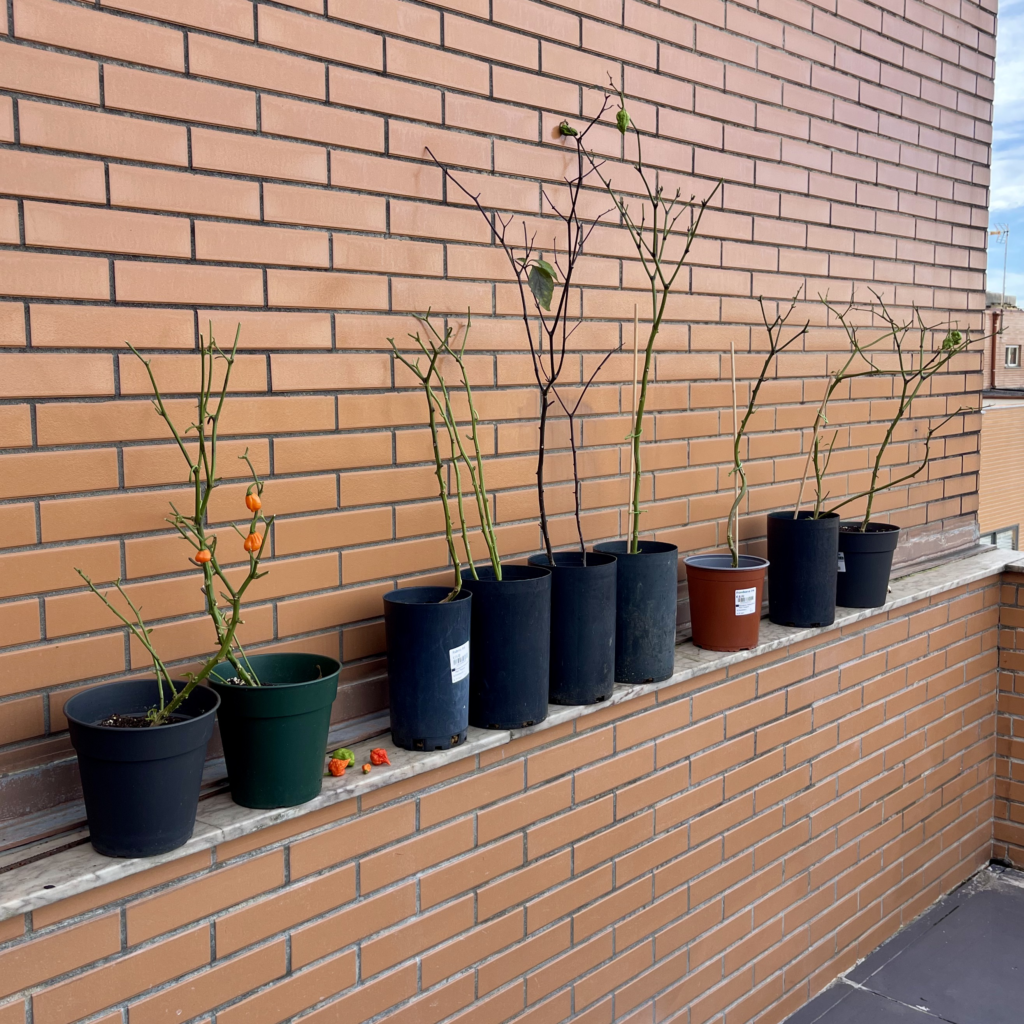
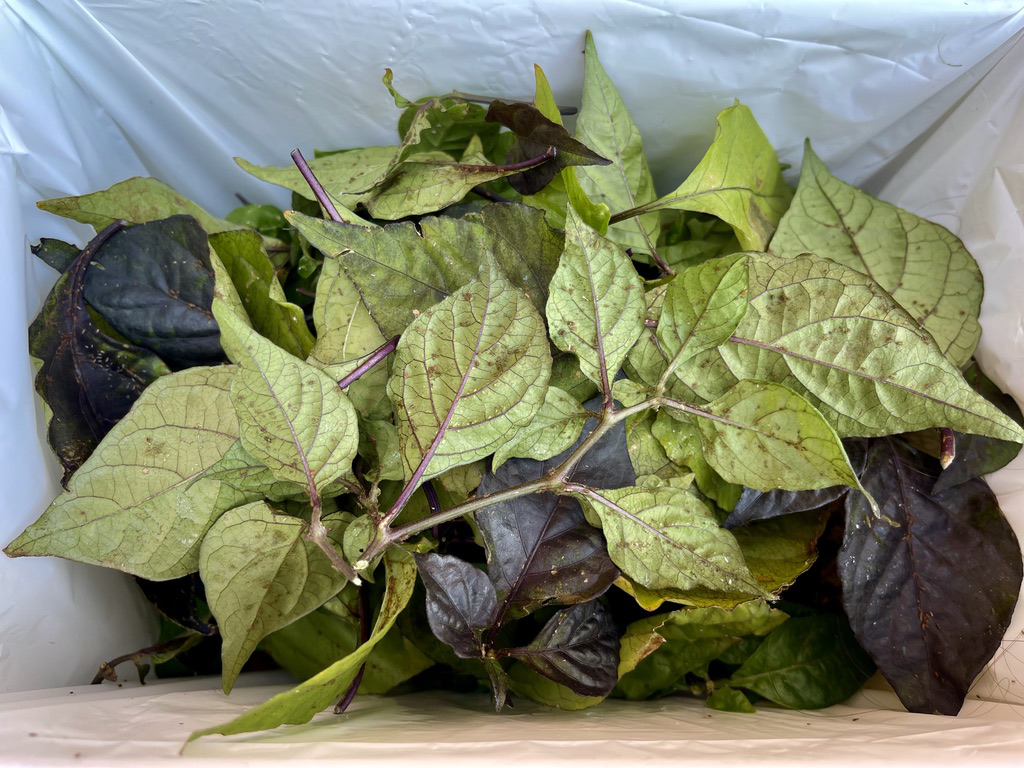
Last week, in late November, when everything finally seemed calm, I discovered the worst infestation yet. So I chose a more radical approach: full pruning. I removed all leaves and pruned each chilli’s stems down to their second or third forks, depending on infestation severity. A detailed patrol revealed a single aphid cluster on a rose stem — also pruned.
Now I wait. I’ll keep monitoring for survivors and hope I haven’t killed my chillies in the process.
Prevention Ideas for Next Season
Several sources mention reflective mulch as a deterrent, as reflective surfaces can slow aphid colonisation. Ideas ranged from placing aluminium foil around the base of the plants to using silver plant saucers or hanging reflective disks in branches.
Closing Thoughts
Red Hot Chilli Aphids A Resilient Rooftop Urban Gardening Pest discusses how winter aphids are common, but they do NOT mean plants are going to die. If your rooftop plants are otherwise healthy, the aphids are mostly an irritation, not a rooftop urban gardening disaster.
And you? Have you dealt with aphids? I’d love to hear what worked for you!

P. S. Curious about more rooftop stories? Find other RUG posts here.